
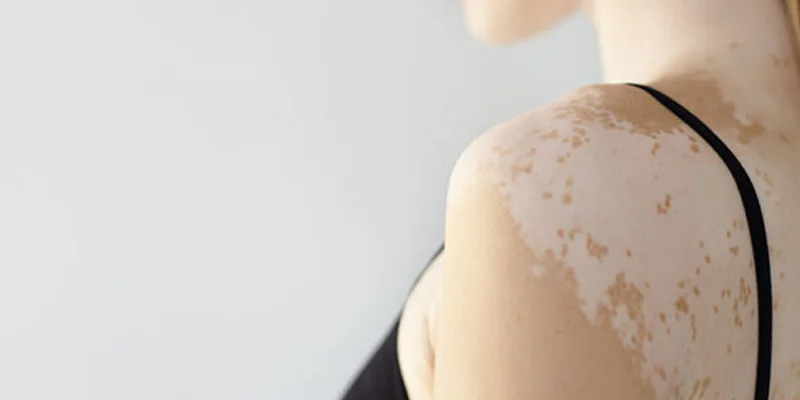
Vitiligo (Ala) Disease: Definitions, Symptoms and Treatment Methods
Vitiligo (Ala) disease is a health problem that affects many people around the world and disrupts skin pigmentation. Vitiligo is a chronic condition that causes skin discoloration. It manifests itself as white spots on the skin as a result of insufficient production of melanin pigment. This health problem can affect people of all ages and can occur regardless of skin color. Although the causes of Vitiligo (Ala) disease are not fully known, genetic predisposition and problems with the immune system are thought to be effective. This article will focus on the symptoms, causes and treatment methods of Vitiligo.
What are the symptoms of Vitiligo?
The most obvious symptom of vitiligo is skin color changes. The disease usually begins in sun-exposed areas such as the hands, face and arms. However, it can occur anywhere in the body. The first spots are usually small and circular in shape. Over time, these spots can grow and spread.
Causes of Vitiligo
Vitiligo is generally considered an autoimmune disease. In this condition, the immune system mistakenly attacks cells called melanocytes, which are responsible for skin color. Additionally, genetic factors may also play an important role in the development of Vitiligo. Vitiligo is more likely to occur in individuals with a family history of the disease.
Vitiligo Treatment Methods
Although there is no cure for vitiligo, existing treatments can slow the progression of the disease and improve skin appearance. Treatment options include:
- Topical corticosteroid creams: These creams can reduce attacks on melanocyte cells by suppressing the immune system.
- Light therapy: Narrow band UVB therapy is the most commonly used light therapy. It can promote skin discoloration.
- Skin transplantation: Can be applied for small areas of vitiligo. Healthy skin is transplanted to areas where color loss occurs.
Lifestyle Changes and Home Care
Vitiligo management also includes daily lifestyle changes. Sun protection, keeping skin moisturized, and a balanced diet can help manage vitiligo symptoms. Additionally, psychological support is also important because Vitiligo can affect an individual's self-esteem and social interactions.
Vitiligo and Its Effects on Society
Vitiligo is not only a physical condition, but also a disease that has social and psychological effects. Patients may experience discrimination and social isolation because of their appearance. Therefore, it is of great importance for society to have more knowledge and empathy about Vitiligo.
Expert Opinions and Advances
Research in the field of medicine helps develop new methods in the treatment of Vitiligo. Experts are working on gene therapy and innovative drugs, which means they may offer more effective treatment options in the future.
Conclusion
Vitiligo (Ala) disease is a complex condition characterized by loss of pigment in the skin. Treatment options are available, but it is difficult to completely halt the progression of the disease. For patients, a supportive society and effective treatment methods can improve quality of life. Raising awareness and supporting research about vitiligo is vital to advances in this field.