
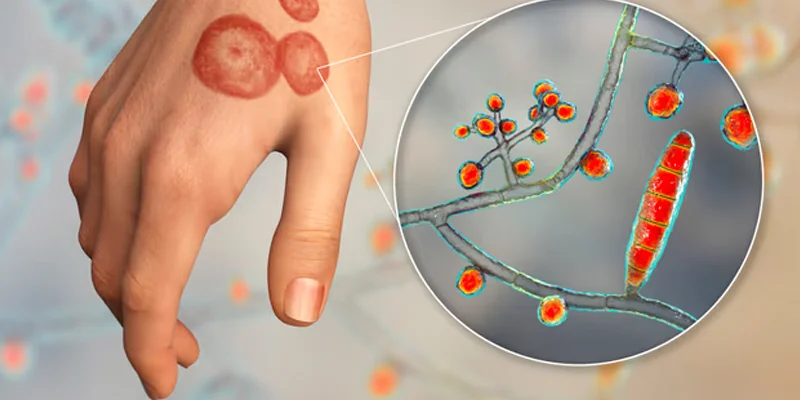
Fungal Diseases in Dermatology are one of the common problems that threaten skin health and continue to attract attention in 2025. These diseases usually manifest themselves with symptoms such as itching, redness and flaking. Expert Dermatologist Dr. Kutay Ertürk offers a comprehensive guide on this subject and discusses the causes and solutions of fungal infections. In our article, we will provide an overview of this disorder before going into details; The real information is waiting for you in the development section.
Why Do Fungal Diseases Occur?
Skin is the largest organ of our body and serves as a barrier against external factors. However, in some cases, this barrier may weaken and fungal infections may occur. Humid environments, a weak immune system and lack of personal hygiene create ideal conditions for the reproduction of fungi. Especially areas such as feet, nails and groin are more prone to such infections. Specialist Dr. Kutay Ertürk emphasizes the impact of these factors on daily life and draws attention to the importance of taking early precautions.
By What Symptoms Are Fungal Diseases Recognized in Dermatology?
Fungal Diseases in Dermatology usually manifest themselves with distinct symptoms. Itching, redness, flaking, and sometimes foul odor are the most common signs of these infections. For example, foot fungus (tinea pedis) can cause whitening and peeling between the toes, while nail fungus can cause thickening and discoloration. Dr. According to Kutay Ertürk, ignoring these symptoms may lead to the spread of the infection. Therefore, it is critical to consult a dermatologist for accurate diagnosis and treatment.
Who is More Prone to Fungal Infections?
Fungal infections can occur in anyone, but some groups are at higher risk. Diabetics, those with weak immune systems, and individuals who sweat frequently may contract this disease more easily. Additionally, environments such as shared towels, slippers or shower areas also increase the risk. Specialist Dr. Kutay Ertürk states that especially athletes and those who wear closed shoes for a long time should be careful. These groups should pay more attention to hygiene rules.
What are the Types of Fungal Diseases?
Fungal infections have different names depending on the area they affect. Here are some of the most common types:
- Tinea Pedis (Foot Fungus): Causes itching and peeling in the feet.
- Tinea Unguium (Nail Fungus): Thickening and yellowing of the nails are observed.
- Tinea Corporis (Body Fungus): Causes ring-shaped red lesions.
- Tinea Capitis (Scalp Fungus): It is known for hair loss and flaking.
Dr. Kutay Ertürk states that each type requires a specific treatment method and the wrong intervention may worsen the situation.
How Are Fungal Infections Diagnosed?
Diagnosis of Fungal Diseases in Dermatology is usually made by a specialist doctor. Dermatologists first examine the symptoms on the skin and perform microscopic analysis or culture tests if necessary. Specialist Dr. Kutay Ertürk states that it is risky for patients to try to self-diagnose because fungal infections can sometimes be confused with other skin diseases such as eczema or psoriasis. Correct diagnosis is the first step in an effective treatment plan.
How to Treat Fungal Diseases?
Treatment of fungal infections varies depending on the type and severity of the disease. Antifungal creams, tablets and special shampoos are among the most commonly used methods. While topical creams are sufficient in mild cases, oral medications may be required in advanced cases. Dr. Kutay Ertürk emphasizes the importance of being patient during the treatment and following the doctor's recommendations. Additionally, paying attention to hygiene rules during treatment is a critical step to prevent recurrence of the disease.
What Should Be Done to Prevent Fungal Infections?
Taking precautions is one of the most effective methods in combating Fungal Diseases in Dermatology. Here are some practical suggestions that can be applied in daily life:
- Keeping feet dry and clean.
- Choosing breathable shoes.
- Disinfecting common items.
- Staying away from humid environments.
Specialist Dr. Kutay Ertürk states that these simple steps greatly reduce the risk of infection and protect skin health.
What are the Psychological Effects of Fungal Diseases?
Fungal infections can cause not only physical but also psychological problems. Infections, especially in visible areas, can negatively affect a person's self-confidence. Dr. Kutay Ertürk states that he often observes that his patients shy away from social environments due to this situation. Therefore, early treatment is of great importance to protect both physical and mental health.
Conclusion
Fungal Diseases in Dermatology are a health problem that can be easily managed with correct knowledge and expert approach. Specialist Dr. As Kutay Ertürk emphasizes, early diagnosis, effective treatment and preventive measures play a key role in overcoming this disease. In our article, we presented a comprehensive guide to fungal infections, from their causes to their symptoms, from treatment methods to ways of prevention; Now you can take conscious steps in this regard.