
Urticaria: Causes and Solutions for Your Itching
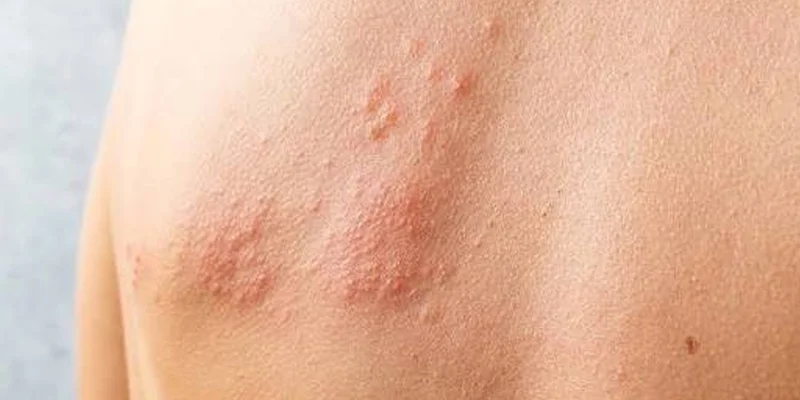
Urticaria (Hives) are itchy, red and raised rashes that appear suddenly on the skin. These symptoms usually occur as a result of an allergic reaction.
What is Urticaria and How is it Defined?
Urticaria is also known as hives among the public and usually occurs as a result of the body's reaction to allergens. Allergens; These can range from foods, medications, pollen or animal dander. Symptoms of urticaria usually disappear within a few hours, but in some cases symptoms may last for several days.
Types of Urticaria
Urticaria is divided into different types according to the duration and triggering factors. The two most common types are acute and chronic urticaria.
- Acute Urticaria: This type of urticaria usually lasts less than six weeks and is often triggered by a specific allergen.
- Chronic Urticaria: It is a type of urticaria that lasts longer than six weeks and the cause is usually unknown.
Causes of Urticaria
The causes of urticaria are quite diverse and different factors may be involved in each individual. Allergic reactions are among the most common causes, but infections, stress, physical irritation, or certain medications can also cause urticaria.
Factors That May Trigger Urticaria
- Foods: Allergenic foods such as eggs, shellfish, peanuts
- Medications: Some medications, such as antibiotics or aspirin
- Physical Stimuli: Environmental factors such as heat, cold or sunlight
- Emotional Stress: Excessive stress or emotional fluctuations
- Diseases: Automatic diseases such as thyroid disorder or lupus
Symptoms of Urticaria
The most obvious symptoms of urticaria include itching, redness and blisters on the skin. These bumps are usually tight and appear suddenly.
Other Signs of Urticaria
- Angioedema: Swelling in deep skin layers
- Dermographism: The formation of blisters as a result of pressure applied to the skin.
Treatment of Urticaria
Treatment of urticaria varies depending on the underlying causes. But general approaches are:
- Antihistamines: These medications relieve symptoms by controlling allergic reactions.
- Corticosteroids: Used in severe cases of urticaria.
- Elimination Diet: Removing allergenic foods from the diet.
Living with Urticaria
When urticaria becomes a chronic condition, it can affect quality of life. However, with the right management and treatment strategies, symptoms can be controlled.
Prevention Methods
- Avoiding Triggering Factors: Avoiding exposure to allergens
- Stress Management: Relaxation techniques such as meditation and yoga
- Regular Doctor Checks: Regular health checks to monitor and manage the condition
Conclusion
Urticaria is a health condition that can be uncomfortable and sometimes confusing. However, it can be managed by identifying symptoms, avoiding triggers, and effective treatment methods. If you experience persistent or recurring symptoms of urticaria, it is important to contact a healthcare professional. In this way, you can improve your quality of life and minimize the effect of urticaria on your daily life.