
What is Exosome? - Expert. Dr. Kutay ERTURK
What is an exosome? This question has become one of the hottest topics in biomedical research in recent years. Exosomes are small, lipid-layered vesicles that play an important role in intercellular communication. In this introductory article, we will briefly explain what exosomes are and why they are so important. Read on to learn more about the detailed information and functions of exosomes.
Definition and Structure of Exosomes
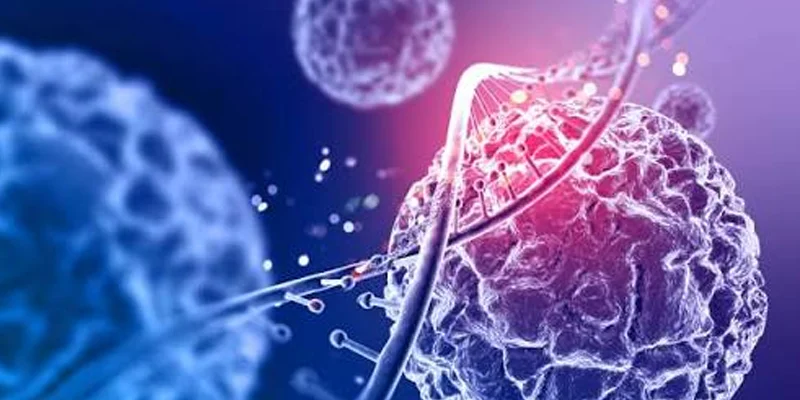
Exosomes are small vesicles secreted by cells that carry various biological molecules. These vesicles are released from the cell membrane and carry information by reaching other cells. The structure of exosomes is surrounded by a lipid layer membrane and contains proteins, RNA and other biomolecules. This structure enables exosomes to be effective in intercellular communication.
Functions of Exosomes
Exosomes play a critical role in intercellular communication. These vesicles regulate various biological processes by carrying signaling molecules between cells. For example, exosomes:
- It regulates cell growth and proliferation.
- It modulates immune system responses.
- It provides signal transmission within and between cells.
- It plays an important role in disease processes.
Medical Applications of Exosomes
Exosomes are an important research topic in the medical field. These vesicles can potentially be used in the diagnosis and treatment of various diseases. For example, exosomes:
- It can be used as a biomarker in cancer diagnosis.
- It may be effective in tissue regeneration and repair.
- It could potentially be used in the treatment of neurodegenerative diseases.
Exosome Research and Its Future
Research on exosomes is a rapidly developing field. To learn more about the functions and potential medical applications of these vesicles, researchers are constantly developing new methods. In the future, exosomes will:
- It is expected to play an important role in personalized medicine.
- It may be possible to use it in the early diagnosis of diseases.
- It could revolutionize treatment methods.
Isolation and Analysis of Exosomes
Isolation and analysis of exosomes is a critical step in the understanding and use of these vesicles. Isolation of exosomes can be done by a variety of methods, and these methods allow the contents of the vesicles to be analyzed. These analyzes help us understand the biological functions and potential medical applications of exosomes.
The Role of Exosomes in Intercellular Communication
Exosomes play an important role in intercellular communication. These vesicles regulate various biological processes by carrying signaling molecules between cells. Exosomes are an important tool in our understanding of how cells communicate with each other.
The Role of Exosomes in Cancer Research
Exosomes are an important topic in cancer research. These vesicles help us understand how cancer cells communicate with other cells. Exosomes can be used as biomarkers in cancer diagnosis and could be potentially effective in cancer treatment.
The Role of Exosomes in Neurodegenerative Diseases
Exosomes play an important role in the study of neurodegenerative diseases. These vesicles play important roles in disease processes and can potentially be used in the treatment of neurodegenerative diseases. Exosomes are an important tool in the understanding and treatment of these diseases.
The Role of Exosomes in Tissue Regeneration and Repair
Exosomes play an important role in tissue regeneration and repair. These vesicles enable the regeneration and repair of cells. Exosomes can be potentially effective in tissue regeneration and repair.
Conclusion
Exosomes are small vesicles that play an important role in intercellular communication. These vesicles regulate various biological processes and are an important research topic in the medical field. Potential medical applications of exosomes may be effective in cancer diagnosis, tissue regeneration, and treatment of neurodegenerative diseases. In the future, exosomes are expected to play an important role in personalized medicine.