
Atopic Dermatitis: A Common but Frequently Misunderstood Condition
Atopic Dermatitis is a chronic skin disease that usually begins in childhood and can continue into adulthood. This disorder manifests itself with symptoms such as skin redness, itching and dryness. Having knowledge about the causes, symptoms and treatment methods of Atopic Dermatitis is of great importance to manage this condition.
What is Atopic Dermatitis?
Atopic Dermatitis is an inflammatory skin disease, also known as eczema. In addition to genetic factors, environmental triggers also play a role in the emergence of this condition. It mostly occurs as a result of disruption of the skin barrier and overreaction of the immune system.
What are the symptoms?
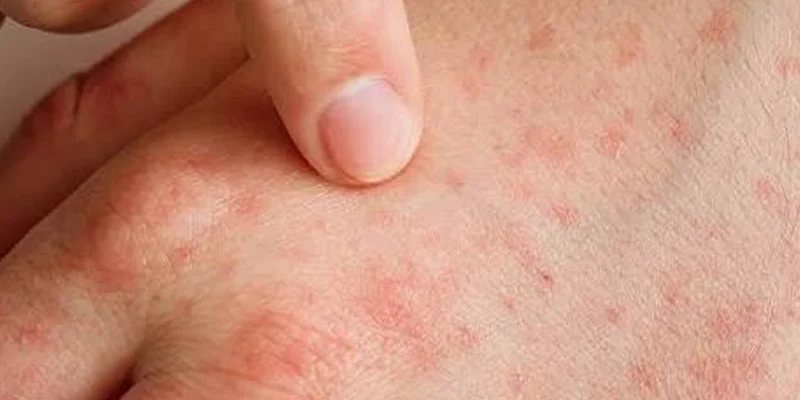
The most obvious symptom of Atopic Dermatitis is severe itching. Patients often develop lesions characterized by redness and scaling. These symptoms are usually concentrated in the folded areas of the arms, legs, and face. Additionally, dry skin and cracked skin are among the common problems.
Reasons
Although the exact cause of this disease is unknown, genetic predisposition is an important factor. This condition is more likely to occur in individuals with a family history of Atopic Dermatitis or other allergic diseases (such as asthma, hay fever). Environmental factors; Allergens, irritants, weather changes and certain foods can also trigger Atopic Dermatitis symptoms.
Treatment Methods
Treatment of Atopic Dermatitis aims to control symptoms and strengthen the skin barrier. This can be achieved using topical corticosteroids, moisturizers, and systemic medications if necessary. Additionally, avoiding triggering factors is an important part of treatment.
Daily Skin Care
Moisturizers play a key role in managing Atopic Dermatitis. Moisturizing the skin can reduce itching and support the skin's barrier function. Daily skin care is an essential element in managing the disease, and regular skin care can help relieve symptoms.
Drug Treatment
Topical corticosteroids are often used to control inflammation and itching. However, long-term use of these medications may cause side effects such as skin thinning. Therefore, it is important that the treatment process is carried out under the supervision of a doctor.
Lifestyle Changes
Management of Atopic Dermatitis is not limited to just medical treatments. Avoiding environmental triggers, stress management and appropriate diet are of great importance in controlling the disease. It is also recommended to be careful about weather changes and stay away from irritating substances (cigarette smoke, chemicals).
Atopic Dermatitis in Children
Management of Atopic Dermatitis in Children requires special attention. Parents should moisturize their children's skin regularly and apply treatment in accordance with doctor's recommendations. Children's skin care routines may differ from those of adults and this should be discussed in detail with their doctor.
Conclusion
Atopic Dermatitis is a condition that can be controlled with effective management and appropriate treatment strategies. Having accurate information about the disease and regular medical follow-up can improve quality of life. If you or your loved ones show symptoms of Atopic Dermatitis, the best step is to consult a dermatologist. In this way, it may be possible to overcome the disease with the appropriate treatment plan.