Mole follow-up in dermatology is vital to maintain skin health and should be done by a dermatologist. Moles are formed by the accumulation of pigment cells in our skin and most of them are harmless. However, in some cases, changes in shape, color or size may indicate serious problems. Therefore, it is of great importance to monitor moles regularly and intervene when necessary. Specialist Dr. Kutay Ertürk guides you in this regard and offers a reliable follow-up process. In the rest of our article, you will discover the details of this process and why it is important.
Why Should You Have Mole Tracking?
Skin is the largest organ of our body and our first line of defense against external factors. Moles may be present at birth or may appear later. However, not every mole is innocent. Types of skin cancer, such as melanoma, can sometimes manifest itself with the change of a mole. Mole follow-up in dermatology can save lives by detecting these risks early. Specialist Dr. Kutay Ertürk checks your moles regularly, quickly notices suspicious changes and creates the appropriate treatment plan. Early diagnosis increases the success rate and saves you from unnecessary worries.
What You Need to Know About Moles
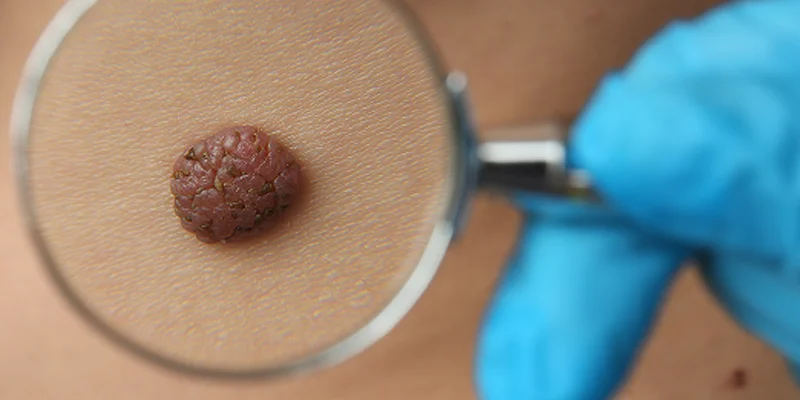
Moles are usually brown or black colored spots and can be found on any area of the skin. Some may be flat, while others may be slightly raised. Skin type, genetic factors and exposure to sunlight play an effective role in the formation of moles. Most people have between 10 and 40 moles in their lifetime. However, it should be carefully monitored whether these moles change over time. In the field of dermatology, mole (nevus) monitoring enables these changes to be evaluated with a professional eye and detects risky situations.
How to Track Moles in Dermatology?
Mole tracking in dermatology is a process carried out with modern technologies and expert knowledge. The first step is for your dermatologist to visually examine your moles. Specialist Dr. At this stage, Kutay Ertürk focuses on features such as symmetry, borders, color, diameter and development of moles. This evaluation is usually done using the “ABCDE” method:
- A (Asymmetry): Is one half of my mole different from the other?
- B (Border): Are the edges irregular or blurry?
- C (Color): Does it contain more than one color?
- D (Diameter): Is it greater than 6 mm?
- E (Evolving): Does it grow or change over time?
If there is a suspicious situation, a more detailed examination is performed with a special device called dermatoscopy. Dermatoscopy shows the structure of the mole enlarged and reveals the details under the skin. If necessary, a sample of the mole is taken by biopsy and analyzed in the laboratory. This method is the gold standard for definitive diagnosis.
Who Should Have Mole Tracking?
Although it is recommended that everyone have a mole follow-up in dermatology, this is a more critical need for some groups. For example, people with fair skin, those with a family history of skin cancer, or those with many moles are in the risk group. Additionally, those who are frequently exposed to sunlight and use solariums should also be careful. Specialist Dr. Kutay Ertürk evaluates your individual risk factors and creates a personalized follow-up plan for you. Remember, neglecting your skin health can lead to irreversible consequences.
The Role of Technology in Mole Tracking
Nowadays, technology has made the mole tracking process in dermatology safer and more effective. In addition to dermatoscopy devices, artificial intelligence-supported imaging systems have also begun to be used. These systems can detect suspicious changes by analyzing photos of moles. Additionally, a digital record of your moles can be kept with the whole body mapping method. This way, changes over time can be easily compared. Specialist Dr. Kutay Ertürk offers you the highest standard of service using these technologies.
How Can You Check Your Moles Yourself?
Your own observations are as important as professional follow-up. Checking your moles regularly in the mirror helps you spot potential problems early. Here's what you can do for yourself:
- Examine every part of your body, especially areas exposed to the sun.
- Pay attention to whether your moles have symptoms such as itching, bleeding or discoloration.
- When in doubt, consult a dermatologist immediately.
However, making a diagnosis on your own is not enough. Mole follow-up in dermatology must be completed with the evaluation of a specialist doctor.
The Effect of the Sun on Moles
Sun rays are one of the most important factors that trigger mole formation and change. Ultraviolet (UV) rays can cause damage to skin cells, increasing the risk of melanoma. Therefore, it is important to take precautions such as using sunscreen, wearing a hat, and staying in the shade. Mole tracking in dermatology also plays a critical role in monitoring changes caused by the sun. Specialist Dr. Kutay Ertürk evaluates the effect of the sun on your skin and offers you special suggestions.
Is Mole Removal Necessary?
Not every mole needs to be removed; This decision depends on your dermatologist's evaluation. If a mole is suspicious or you have aesthetic concerns, it can be removed surgically. The procedure is usually performed under local anesthesia and takes a short time. Mole monitoring in dermatology protects you from unnecessary interventions by determining which moles are risky. Specialist Dr. Kutay Ertürk prioritizes both your health and comfort in this process.
Frequently Asked Questions and Answers
You may have questions about mole tracking. Here are some of the most common:
- How often should mole monitoring be done? Generally, once a year is sufficient, but if you are in the risk group, it may be more frequent.
- What should I do if my moles itch? This could be a symptom of a problem; Consult an expert immediately.
- Is it necessary to monitor moles in children? Yes, care should be taken, especially if there is a family history of skin cancer.
Conclusion
Mole monitoring in dermatology is one of the most reliable ways to protect your skin health. Specialist Dr. With Kutay Ertürk's expertise, you can catch potential risks at an early stage by monitoring your moles regularly. This process gives you peace of mind and security through the combination of both technology and professional knowledge. Take a step today for healthy skin and start monitoring moles by consulting an expert dermatologist.