
Contact Dermatitis: What is it, Causes and Treatment Methods
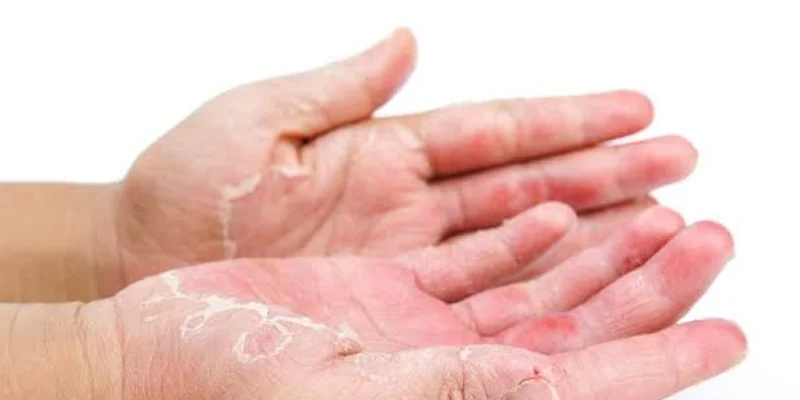
Contact dermatitis is a skin condition that occurs as a result of the skin's allergic or irritating reaction to certain substances. This condition is manifested by redness, itching and sometimes the formation of blisters.
What are the Causes of Contact Dermatitis?
Contact dermatitis can occur for a variety of reasons. It is basically divided into two: allergic contact dermatitis and irritant contact dermatitis. The causes and triggers of both types are different:
Allergic Contact Dermatitis
This type occurs when the immune system overreacts to certain substances. Common allergens include nickel, rubber, some cosmetics and poisonous plants.
Irritant Contact Dermatitis
This type is more common and occurs when the skin comes into direct contact with a harmful substance. Chemicals, detergents, acids and some soaps can cause this type of dermatitis.
Symptoms of Contact Dermatitis
Symptoms of contact dermatitis may not usually appear immediately. Symptoms usually appear within a few hours or days after exposure:
- Redness and inflammation
- severe itching
- Dryness and cracks
- Blisters and fluid-filled vesicles
- Burning sensation on the skin
Risk Factors
Some factors that increase the risk of contact dermatitis include:
- Occupation: People who work with chemicals or must use gloves at all times.
- Skin condition: Existing skin diseases such as eczema.
- Genetic predisposition: Family history of allergic reactions.
Diagnosis and Treatment Methods
The diagnosis of contact dermatitis is usually made by clinical examination. However, in some cases, allergy tests may be required. Treatment is directed at eliminating irritation and managing symptoms:
1. Removal of Irritants
Cessation of exposure is the most important step in treatment.
2. Topical Steroids
These creams help reduce inflammation and itching.
3. Moisturizers
It prevents dryness and cracking by maintaining the skin's moisture balance.
4. Antihistamines
It is used to relieve allergic reactions.
Ways to Prevent
Contact dermatitis is a preventable condition. The following measures can be taken:
- Use of personal protective equipment
- Conscious selection of cosmetics and personal care products
- Regular skin care and moisturizing
Conclusion
Contact dermatitis is a skin reaction to various substances and can be managed with appropriate precautions. If you constantly experience skin problems, it is important to consult a dermatologist. With early diagnosis and correct treatment methods, contact dermatitis can be controlled and you can protect the health of your skin.