Rose Disease: Meaning, Symptoms and Treatment Methods
Rosacea is a common dermatological condition characterized by skin redness and inflammation. This disease can be very disturbing for people due to its social and psychological effects. In this article, we will discuss the causes, symptoms and modern treatment methods of Rosacea in detail.
What is Rosacea?
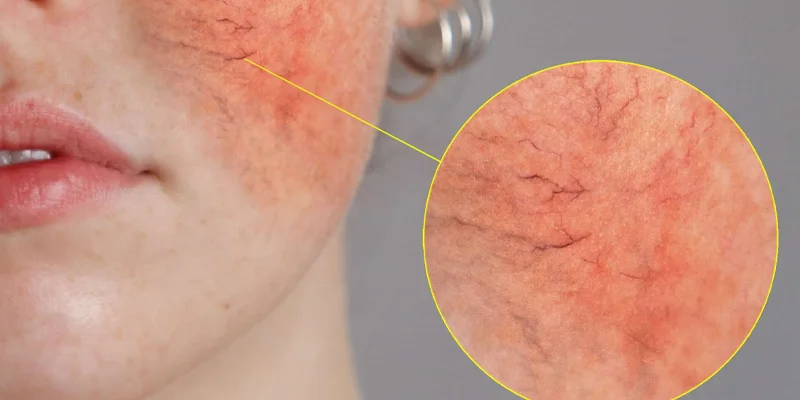
Rosacea, scientifically known as rosacea, is a chronic skin condition usually seen in the facial area. Redness, swelling, and sometimes small, hazy pimples may appear in the affected areas. There are four main types of the disease, and each shows different symptoms. Although the exact cause of Rosacea is unknown, factors such as genetic factors, environmental triggers and the imbalance of microorganisms on the skin are thought to play a role.
What are the symptoms?
Symptoms of Rosacea are usually concentrated in the central part of the face and may worsen over time. The most common symptoms are: -Redness and inflammation: A persistent redness on the face.
- Papules and pustules: Small, red, pus-filled bumps on the face
- Skin sensitivity: Sensitivity of the affected area to touch
Eye symptoms: Redness and swelling of the eyelids. These symptoms usually worsen periodically; It can be worsened by triggers such as stress, hot drinks, spicy foods and weather changes.
Treatment Methods
Topical Treatments
Topical treatments for Rosacea aim to control the inflammatory process of the skin. Creams containing metronidazole and azelaic acid are often preferred for this purpose.
Oral Treatments
For severe cases, doctors may recommend oral treatments such as antibiotics or isotretinoin. These medications are used to control severe inflammation and restore the balance of bacteria in the skin.
Laser and Light Treatments
Laser and IPL (Intense Pulsed Light) treatments can be effective to reduce redness and vascular appearance. These methods improve appearance by targeting small vessels under the skin.
Lifestyle Changes and Precautions
Lifestyle changes are also of great importance in the management of Rosacea. Patients are recommended to avoid sun exposure, use high factor sunscreen, and avoid triggering foods and drinks.
Frequently Asked Questions
Is Rosacea Permanent?
Rosacea is a chronic condition and there is currently no definitive cure. However, symptoms can be controlled with appropriate treatment and lifestyle changes.
Is Rosacea Contagious?
No, rosacea is not a contagious disease. It is seen as a combination of genetic and environmental factors.
In Which Age Groups Is It Seen?
It is usually more common in adults between the ages of 30 and 50, but can occur at any age.
Conclusion
Rosacea can be a complex and uncomfortable skin condition that needs to be managed. However, with modern treatment methods and correct lifestyle choices, symptoms can be largely controlled. If you are experiencing any of these symptoms, it is important to consult a dermatologist to evaluate your condition. Remember, early diagnosis and correct treatment can significantly improve your quality of life.