Skin Cancer: Early Diagnosis and Modern Treatment Methods
Skin cancer is a serious health problem characterized by abnormal and uncontrolled cell growth in the skin. Early diagnosis and treatment of this disease is vital.
What is Skin Cancer and What Are Its Causes?
Skin cancer is a malignant disease that starts in the upper layer of the skin and can spread to the deeper layers and even other organs over time. Exposure to the sun's harmful ultraviolet (UV) rays is one of the most common causes of this type of cancer. In addition, genetic factors, skin type and environmental factors may also increase the risk of skin cancer.
Sunlight and UV Exposure
UV rays as a result of long-term sun exposure can cause skin cancer, especially in open areas such as the face, neck, ears, and back of the hands. These rays cause breaks and mutations in DNA, causing keratinocytes or melanocytes, which are skin cells, to proliferate uncontrollably.
Genetic Predisposition and Skin Type
People with fair skin and colored eyes have a higher risk of developing skin cancer because they are more prone to the harmful effects of the sun. An increased risk is also observed in individuals with a family history of skin cancer.
Types of Skin Cancer
Skin cancer falls into three main types: basal cell carcinoma, squamous cell carcinoma, and malignant melanoma. Each arises from different cell types and treatment methods vary.
Basal Cell Carcinoma (BCC)
RCC, the most common type, is a type of cancer that progresses slowly and rarely metastasizes, usually in exposed areas of the skin.
Squamous Cell Carcinoma (SCC)
CCT, the most common type after BCC, begins in the middle layer of the skin and can follow a more aggressive course.
Malignant Melanoma
It is the most dangerous and deadly type of skin cancer. It begins in melanocytes and can rapidly metastasize.
Symptoms and Diagnostic Methods
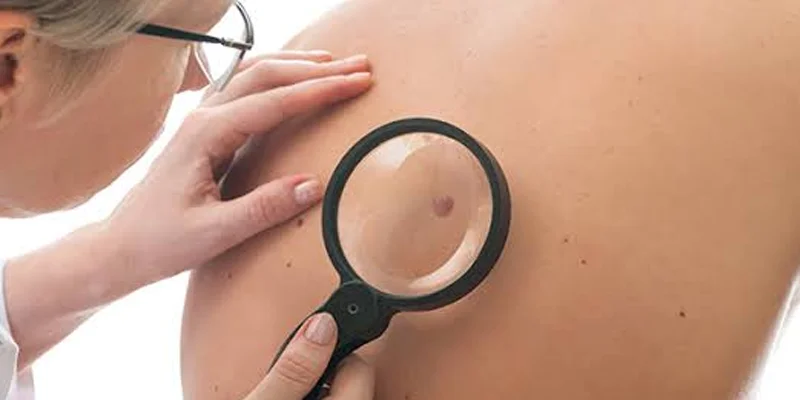
Symptoms of skin cancer include the formation of new moles, changes in existing moles, rapid growth of existing moles, and chronic wounds that do not heal. Regular skin examination is vital for early diagnosis.
Dermatoscopy
This method is used for more detailed examination of suspicious lesions on the skin. With this technique, dermatologists can enlarge the structures under the skin and examine them in detail.
Biopsy
It is a test performed by taking a small tissue sample from a suspicious skin lesion. This sample is evaluated by microscopic examination.
Modern Treatment Methods
Treatment of skin cancer varies depending on the type, location and stage of the cancer. Operation, radiotherapy and chemical treatments are the most frequently used methods.
Surgical intervention
It is a preferred method for small and local lesions. All cancerous tissue is removed and cleaned.
Radiotherapy
High energy radioactive rays are used to destroy cancer cells. This method is preferred for cancers that are not suitable for surgery or for more advanced stage cancers.
immunotherapy
These are treatments that strengthen and target the immune system in the fight against cancer. It can be especially effective in advanced stage skin cancers.
Ways of Protection and Prevention
To protect against skin cancer, sun protection, use of high factor sunscreens and regular skin examinations are recommended. Additionally, individuals at risk should not neglect annual dermatological checks.
Conclusion
Skin cancer can be treated successfully with early diagnosis and effective treatment methods. When detected in the early stages, the chance of treatment is quite high. Therefore, paying attention to your skin health, having regular dermatological checks and adopting sun protection habits are the most important steps in combating this serious health problem.