
Lichen Planus: Everything You Need to Know
Lichen Planus presents as an inflammatory condition on the skin and mucosal surfaces. In this article, we will discuss the causes, symptoms and treatment methods of Lichen Planus in detail.
What is Lichen Planus?
Lichen Planus is a chronic dermatosis that can be seen in the skin, mouth, genital and scalp areas and is typically characterized by itchy, purplish, flat-topped rashes. Caused by the immune system, this condition is more common in middle-aged adults, but can affect people of all ages.
What are the symptoms?
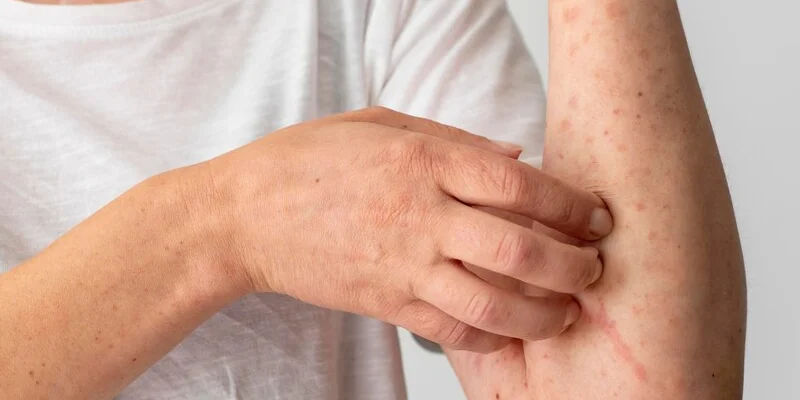
The most obvious symptom of Lichen Planus is purplish, flat and shiny lesions that appear in different parts of the body. These lesions can often be painful or itchy. When seen inside the mouth, it may appear as white lines, patches, or ulcers and can make eating or speaking difficult. In the genital areas, it may cause redness and erosions.
What are the reasons?
The exact cause of Lichen Planus is not fully known. However, genetic predisposition, viral infections, allergic reactions and some disorders related to the immune system can be considered among the risk factors. Certain medications (for example, some blood pressure medications) or metallic dental fillings can also be triggers of Lichen Planus.
Diagnosis and Treatment
Diagnosis is usually made by clinical examination; However, in some cases, a biopsy or other tests may be required. Treatment varies depending on the severity and spread of the disease. Common treatments include corticosteroid creams, immune-suppressing medications, and light therapy. Special mouthwashes and creams can also be used for oral lesions.
Effects of Lichen Planus and Its Effects on Quality of Life
Lichen Planus can significantly reduce the quality of life of those affected. Lesions occurring on the skin and mucosa may lead to social isolation due to reasons such as aesthetic concerns and pain. Therefore, early diagnosis and an effective treatment plan are of great importance.
Prevention and Lifestyle Changes
Although there is no definitive method to protect against Lichen Planus, it is recommended to review the use of medications that may be triggering, apply stress management techniques and adopt a healthy lifestyle.
Conclusion
Lichen Planus is a chronic condition that occurs on skin and mucosal surfaces and can negatively affect quality of life if left untreated. Since symptoms and treatment options vary from person to person, it is recommended that people who experience this disorder consult a dermatologist to create an appropriate treatment plan. With early diagnosis and appropriate treatment methods, the effects of Lichen Planus can be minimized and quality of life can be preserved. In this article, we have discussed the basic information and management strategies about Lichen Planus. It is important to consult a dermatologist to learn more about the disease and treatment options appropriate for your individual situation.