
Psoriasis (Psoriasis): Definition, Causes and Treatment Methods
Psoriasis is a chronic skin disease that occurs as a result of rapid renewal of the skin. This process manifests itself with redness and flaking on the skin.
Basic Symptoms of Psoriasis
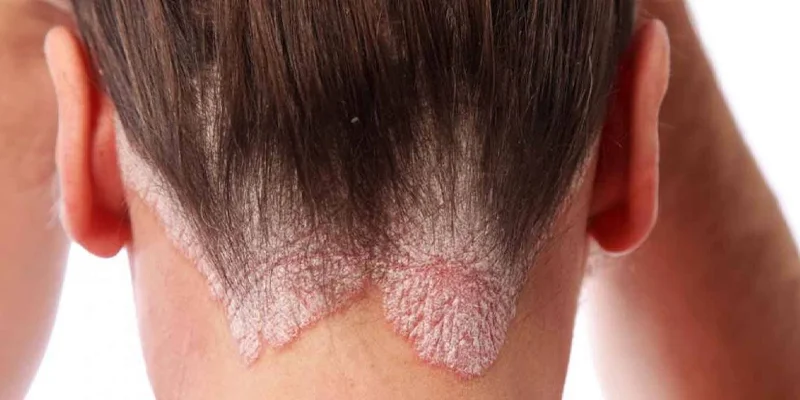
Psoriasis usually appears as red, raised and scaly patches on the skin. These symptoms are most common in areas such as the knees, elbows and scalp. However, the symptoms of psoriasis may vary from person to person.
Redness and Inflammation
Skin redness and inflammation are the most common symptoms of psoriasis. This condition occurs when the cells in the skin renew faster than normal.
Exfoliation
The disease causes silvery-white flakes on the skin surface. This flaking occurs due to the accumulation of dead skin cells.
Itching and Pain
Redness and flaking of the skin can also cause itching and pain. These symptoms can significantly affect daily life.
Causes of Psoriasis
The exact cause of psoriasis is not yet fully understood, but it is known that genetic and environmental factors are effective.
Genetic Predisposition
The frequency of psoriasis running in families indicates that there is a genetic predisposition. The child of a parent with the disease has a higher risk of developing psoriasis.
Immune System
The onset of psoriasis can occur when the immune system becomes abnormally activated and attacks healthy skin cells.
Environmental Triggers
Environmental factors such as stress, skin injuries, some medications and weather changes can also trigger psoriasis.
Treatment Methods of Psoriasis
Treatment of psoriasis may vary depending on the severity of the disease and the patient's general health condition.
Topical Treatments
In mild to moderate cases of psoriasis, topical creams and ointments are often used. These treatments help reduce inflammation and slow the rapid renewal of skin cells.
Phototherapy
In moderate to severe cases of psoriasis, UV light can be effective in treating the skin. This method is applied using special medical devices.
Systemic Treatments
In severe cases of psoriasis, doctors often resort to systemic treatments. These treatments can take the form of oral or injectable medications and affect the entire body.
Biogenic Drugs
Biogenic drugs used in the treatment of psoriasis in recent years offer promising results, especially for severe cases. These medications work by targeting specific components of the immune system.
Living with Psoriasis
Psoriasis is a chronic condition, even when treated, and flare-ups may occur from time to time. Ways to cope with the disease include stress management, healthy nutrition and regular skin care.
Conclusion
Psoriasis is a skin condition that can be effectively managed but not completely cured. If you have this disease or a loved one is affected, it is important to see a dermatologist to relieve symptoms and improve quality of life. Along with treatment options and lifestyle changes, it is possible to manage psoriasis.