
Seborrheic Dermatitis: Symptoms, Causes and Treatment Methods
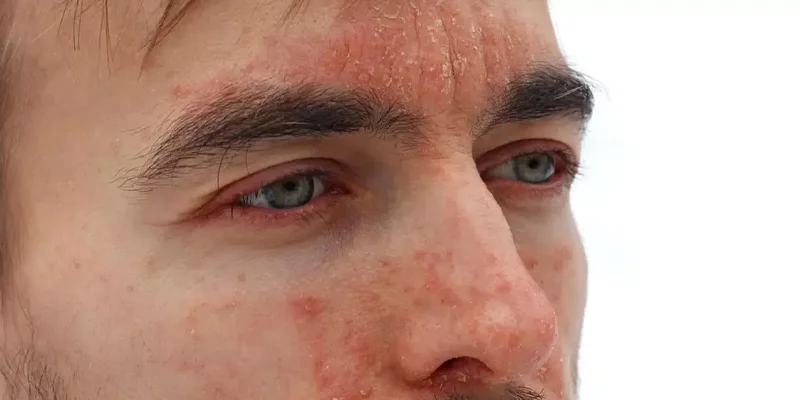
Seborrheic dermatitis is a common skin condition, especially in adults. This condition manifests itself with symptoms such as skin redness, dandruff and itching.
What is Seborrheic Dermatitis?
Seborrheic dermatitis is a chronic inflammatory skin disease that occurs in oily areas of the skin. It occurs most frequently in areas where sebaceous glands are concentrated, such as the scalp, face, ears and chest. Symptoms of the disease include skin redness, flaking and intense itching. This condition can significantly affect quality of life.
Symptoms and Diagnosis Process
Seborrheic dermatitis symptoms can often be exacerbated by seasonal changes. The most common symptoms are:
- Red and oily skin patches
- White or yellowish flakes
- Itching on the skin
- hair loss
Diagnosis is usually made through a clinical examination by a dermatologist. If necessary, additional tests such as biopsy may be performed.
Causes of Seborrheic Dermatitis
Although the exact cause of seborrheic dermatitis is not fully known, several factors are thought to be effective:
- genetic predisposition
- Stress and fatigue
- hormonal changes
- oily skin
- Some medical conditions and medications
- Fungal infections (especially Malassezia species)
These factors can disrupt the skin's oil balance, causing inflammation and symptoms.
Treatment Methods
Various treatment options are available for seborrheic dermatitis. Treatment is often individualized based on the severity of symptoms and the patient's overall health.
Medical Treatments
These treatments include:
- Antifungal creams: Reduces the amount of fungus on the skin.
- Topical corticosteroids: Relieves inflammation and itching.
- Keratolytics: Reduces flaking.
Natural and Home Methods
There are also some natural solutions and methods you can apply at home:
- apple cider vinegar
- coconut oil
- Aloe vera
Although these methods may be beneficial for some people, it is important to consult a healthcare professional before using them.
Lifestyle Changes and Prevention Ways
One of the ways to deal with seborrheic dermatitis is lifestyle changes. A stress-free life, a balanced diet and regular skin care can help relieve symptoms. It is also important to cleanse your skin regularly and use appropriate skin care products.
Expert Opinions and Real User Experiences
Dermatology experts emphasize the importance of an integrated approach to managing seborrheic dermatitis. Real user experiences also provide important information about the effectiveness of different treatment methods.
Conclusion
Seborrheic dermatitis can become chronic if left untreated; However, symptoms can be controlled with appropriate treatment and care. If you are experiencing any of these symptoms, you can regain your health by consulting a dermatologist. With treatment and lifestyle changes, seborrheic dermatitis can be managed and your quality of life improved.